








MUSCAT: The Sultanate of Oman, which marks the World Day for Safety and Health at Work on April 28 each year, reaffirmed the importance of embedding occupational safety and health concepts and strengthening the protection of workers across various sectors.
This occasion comes as part of ongoing efforts to advance the national framework of legislation and standards in line with international best practices and guidelines issued by the International Labour Organization, contributing to the creation of safe and healthy work environments that support sustainable development and societal well-being.
The Social Protection Fund, represented by the General Directorate of Work Injuries, Occupational Diseases and Medical Affairs, participated in an event organised by the Ministry of Health to mark the occasion.
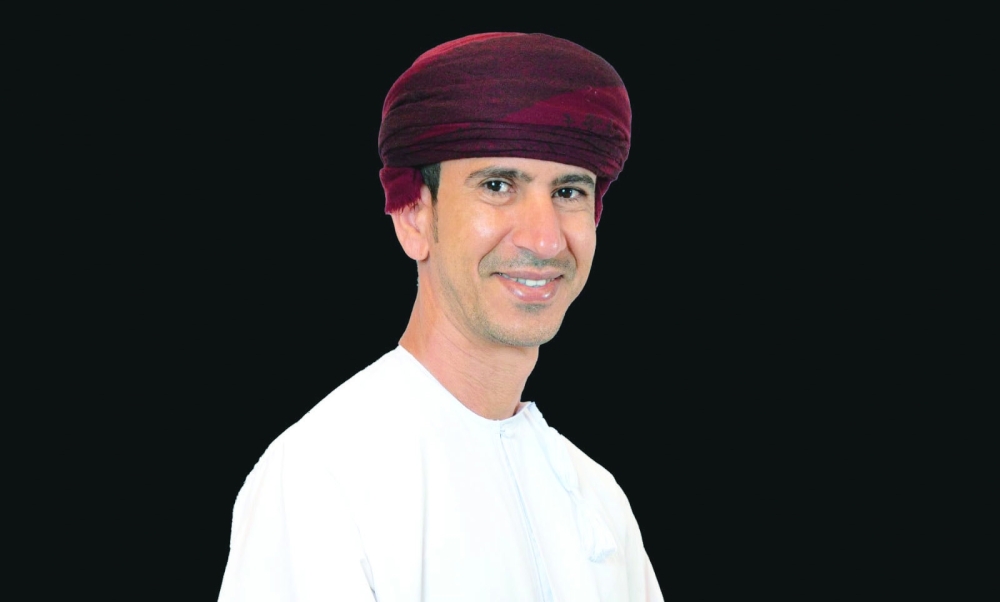
Speaking on the sidelines of the event, Ali bin Said al Ghaithi, Head of Occupational Diseases Investigation Section, underscored the importance of such initiatives in strengthening strategic partnerships and raising awareness of occupational safety and health from a comprehensive perspective.
He noted that this perspective extends beyond physical safety to include psychological and social dimensions, ultimately enhancing quality of life and fostering sustainable and secure workplaces.
Al Ghaithi highlighted the growing global significance of mental health in the workplace, noting that work-related psychological disorders have become a leading cause of absenteeism and declining productivity. He attributed this trend to increasing workplace pressures and burnout, which not only affect mental well-being but also have repercussions on physical health.
He added that this year’s theme underscores the need to prioritise mental and social well-being within workplace policies and practices, as a means of improving employee welfare and boosting institutional performance.
Addressing the most prominent occupational diseases, Al Ghaithi pointed to the provisions of the newly issued regulation under Decision No (1/2026), which includes a range of conditions such as mental and behavioural disorders, as well as musculoskeletal disorders. These cases are recognised when a direct scientific link is established between the work environment and occupational exposure, in accordance with nationally approved standards.On fostering psychologically healthy workplaces, Al Ghaithi stressed that such environments are fundamental to enhancing organisational performance and sustainability. He explained that research in organisational psychology indicates a strong correlation between employee well-being, productivity, and job satisfaction.
He further elaborated that achieving this requires the adoption of organisational policies that address workplace stress, promote a culture of respect and effective communication, and provide psychological and social support programmes. Maintaining a balance between professional and personal life also plays a key role in reducing burnout, thereby positively impacting both mental and physical health while encouraging creativity and continuity in modern work settings.
Al Ghaithi also emphasised the role of employees in promoting mental well-being, noting that creating a healthy workplace is not solely the responsibility of institutions but also depends on individual behaviours and daily practices. This includes awareness of work-related stress, effective stress management, seeking support when needed, and contributing to a positive and collaborative work environment.
He stressed that a psychologically and socially healthy workplace is a fundamental right for employees and a shared responsibility for institutions. He noted that caring for employees’ mental and social well-being directly reflects on their productivity, job satisfaction and organisational loyalty.
Oman Observer is now on the WhatsApp channel. Click here


